For 26 years the Sharjah Biennial has presented innovative contemporary art from local and international artists, designed to enrich the cultural landscape of the region.
Since its inauguration in 1993, the Biennial has grown from humble beginnings into an internationally acclaimed event and a vital platform for global art and the exchange of ideas. The Biennial features artworks and commissions in the form of large-scale public installations, films, interactive media, performances, sculptures, drawings, moving images, music and paintings.
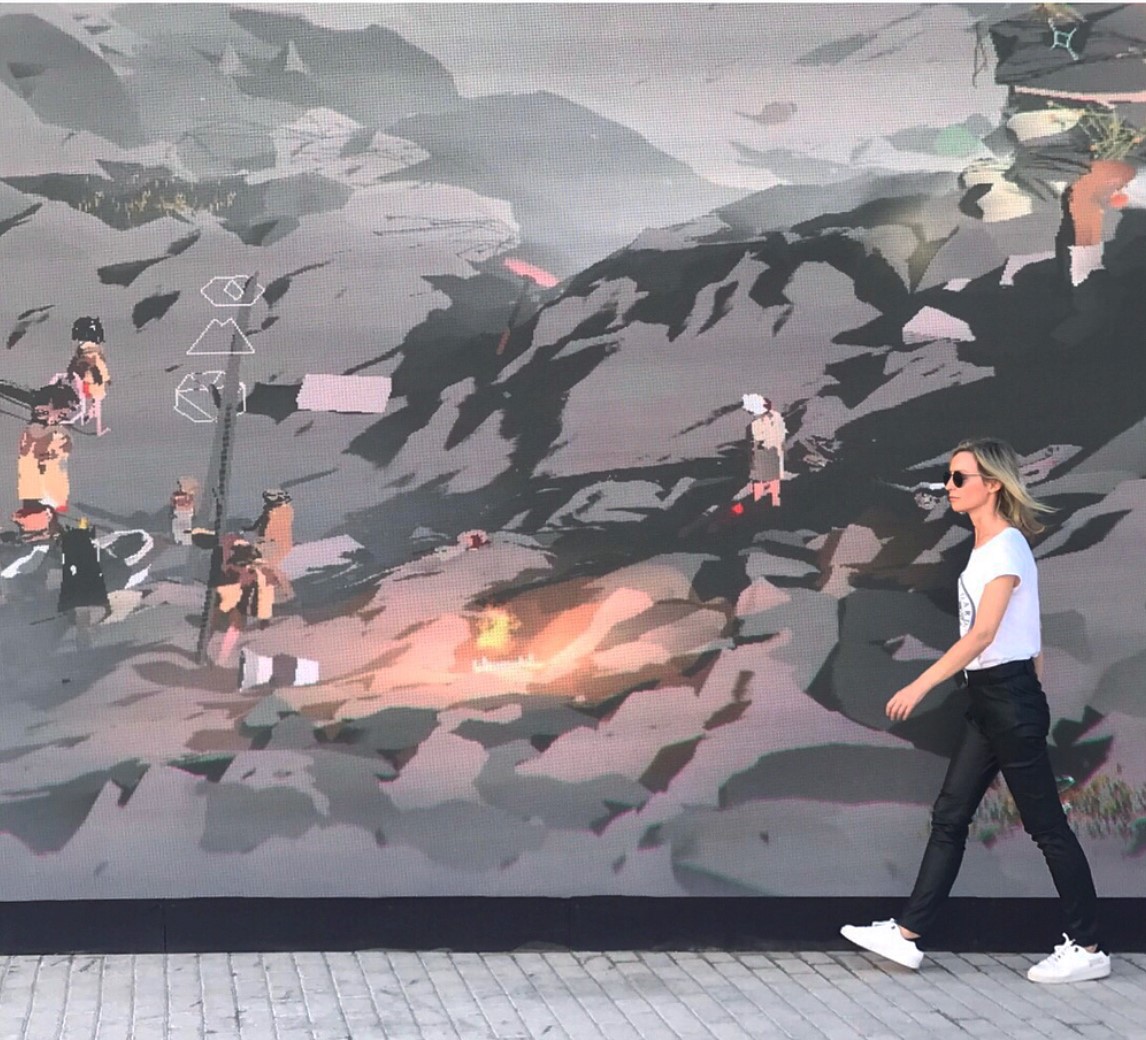
Emissaries by Ian Cheng
In its early editions, the Biennial selected artists to represent each participating country. More recently the focus has transcended geographical borders, moving away from the artist’s location and towards the individual artists themselves with a focus on how the artist engages with their work, within the framework of a curatorial theme.
Historically, Biennial themes have reflected upon regional and world events. Biennial 8 Still Life: Art, Ecology, and the Politics of Change examined the growing environmental challenges in the world due to excessive urban development, political ambitions and the depletion of natural resources. The relationship between the Arab world and other non-Western worlds was re-examined in Biennial 11 Towards a New Cultural Cartography and Biennial 12 The past, the present, the possible explored the emirate’s potential in the context of its history, its transition and an imagined future.
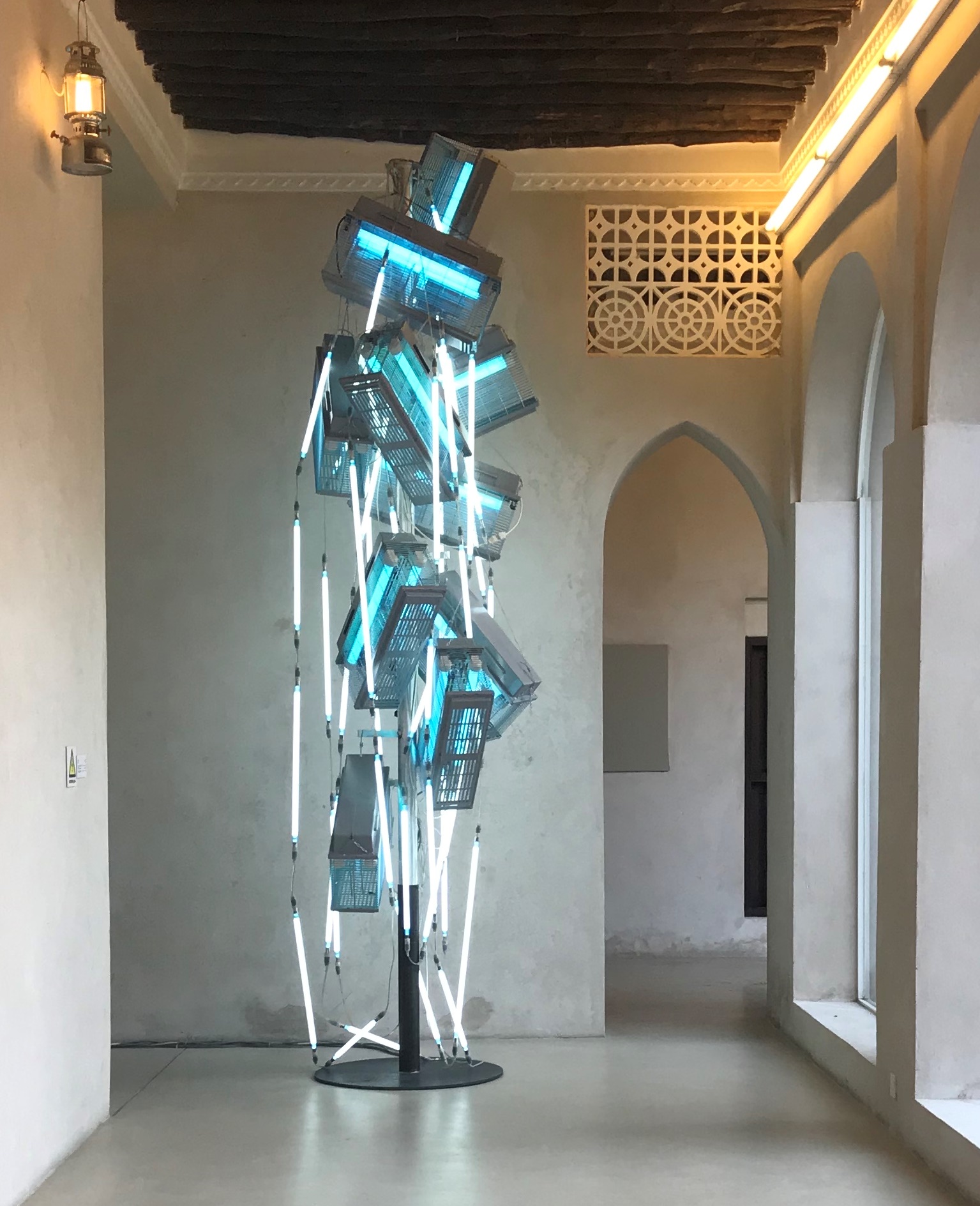
The Flycatcher by Astrid Klein
The benefits of the Sharjah Biennial for Sharjah and collaborating partner cities has been undeniably positive. Art in all its forms has an outlet and is flourishing. The emirate is a recognized center of culture and renowned for nurturing emerging artists, expanding horizons of knowledge and fostering originality and creativity in art through outreach programs, residencies, commissions, education programs and exhibitions.
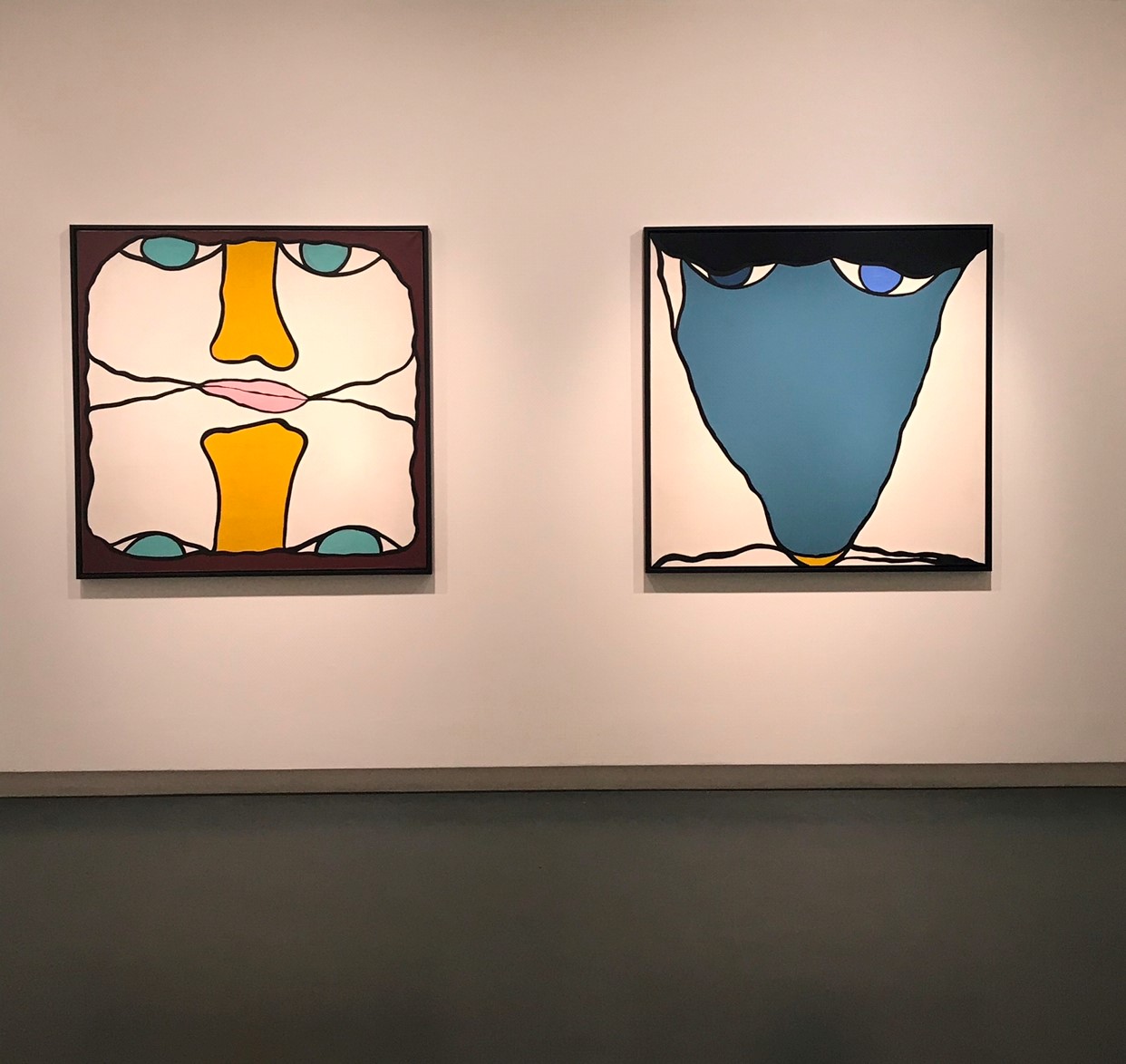
Huguette Caland
The Biennial offers an artistic insight into who we are as human beings and how we see our world. Assumptions about societal values are challenged in a manner which exposes hypocrisy, ignorance and uncertainty. Such a heritage will appeal to those who seek answers to the difficult questions that we face as world citizens within political boundaries.
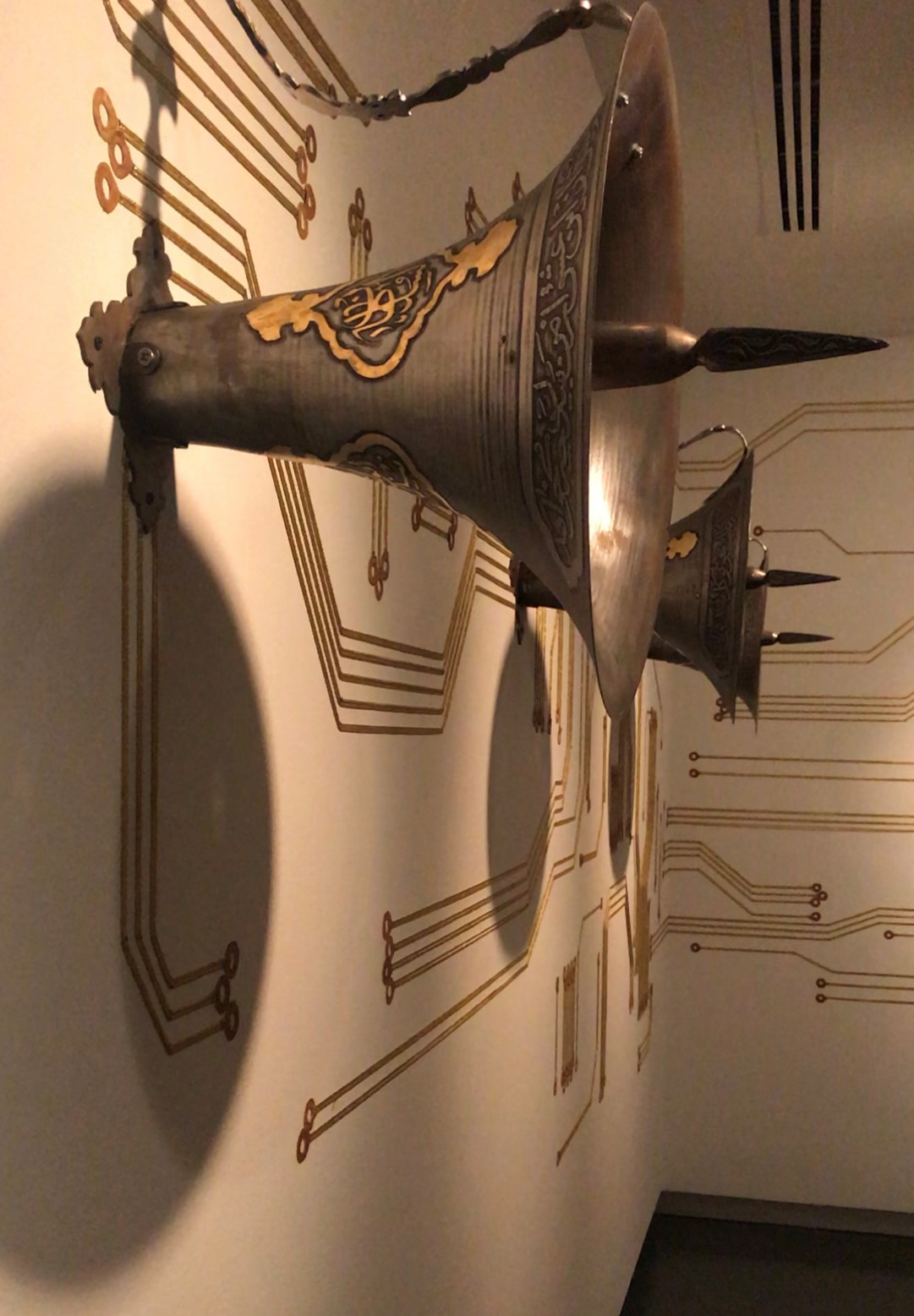
Urbicide by Khadim Ali
The enduring legacy of successive Biennials will be to encourage dialogue and connectivity between those fortunate enough to be a part of, or visitor to, the exhibitions. The dedication of the city and the Trustee of the Sharjah Foundation to the quality of this exhibition makes this Biennial the most significant and engaging showcase for contemporary art in the Middle East.
Sharjah Biennial 14 runs until the 10 June 2019. To find out more, please go to Visit Sharjah


 Georgina Clark